Aids and Equipment
Assistive devices are external devices that are designed, made, or adapted to assist a person to
perform a particular task. Many people with disabilities depend on assistive devices to enable
them to carry out daily activities and participate actively and productively in community life.
Comprehensive assessment is necessary to ensure assistive devices meet the needs of individuals
within their homes, schools and work and community environments. A comprehensive assessment
might include a medical history, a review of current function, individual goals, an evaluation
of existing assistive devices and a physical examination. The approach to assessment should be
multidisciplinary where possible and include a wide variety of people, such as people with
disabilities, family members, therapists, technicians, teachers and CBR personnel.
Common types of assistive devices include:
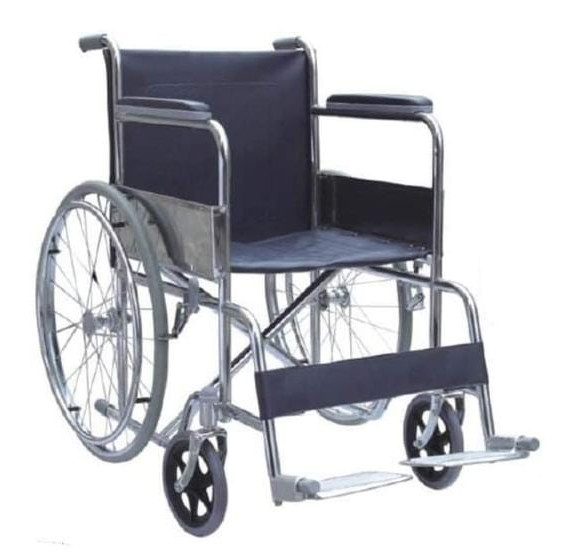
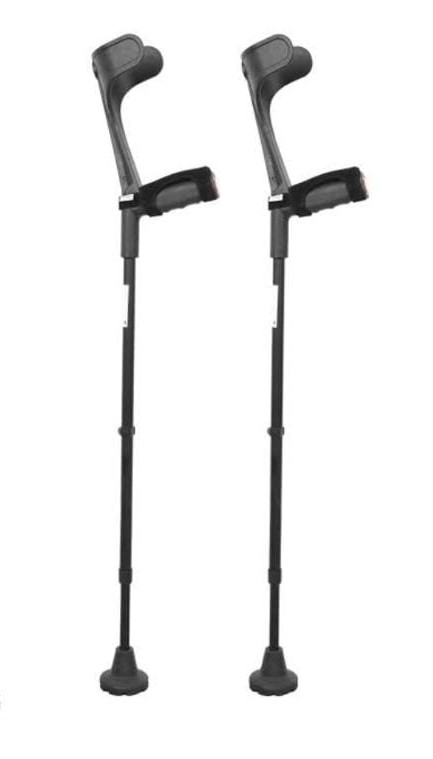
Mobility devicesMobility devices assist people to walk or move and may include: Walking, Tricycles, Crutches, Walking sticks/canes, Walking frames/walkers.
Positioning devices:Wedges, Standing frames, chairs, e.g. corner chairs, special seats
Prosthetics, orthotics and orthopaedic shoes:Orthoses and prostheses
Daily living devices:Commodes, toilet seats and frames, shower seats and stools, adapted cutlery and cups
Vision devices:Eyeglasses/spectacles, braille systems for reading and writing Screen readers for computers, magnifiers, large print books and large print books
Hearing devices:Hearing aids and amplified telephones
Communication devices:Electronic speech output devices, communication boards, computers with specialized equipment and programs.